Selected work and articles
 Article
How does MedGemma fare on postgraduate medical entrance questions from China and India?
I ran Google's open MedGemma model on two published research datasets built from postgraduate medical entrance questions in China and India, scored automatically against each dataset's answer key. It did well above chance, did better than a general model of the same size, and changed many answers when only the order of the options changed.
Read article → Article
Landscape of popular health models on Hugging Face
A catalogue of the 348 health related AI models on Hugging Face that were downloaded at least 5,000 times in a month, sorted by what they work on, what they do, how big they are and how they can be used.
Read article →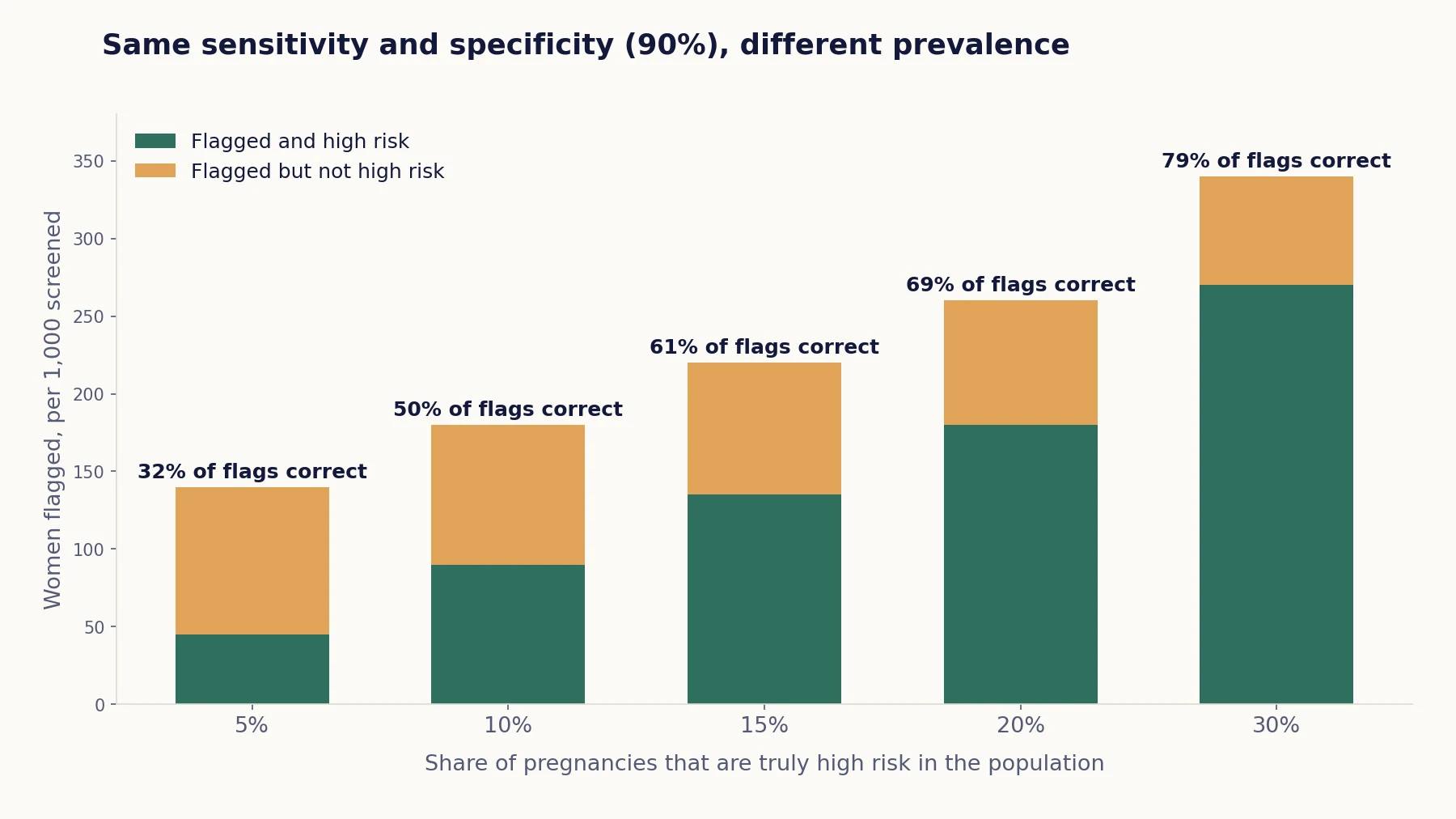 Article
When 96% accuracy is not enough, an example analysis of a maternal-risk model
Following one maternal-risk model from a promising score to the questions a health system would need answered before using it, from evaluation and transportability to regulation and life after deployment.
Read article →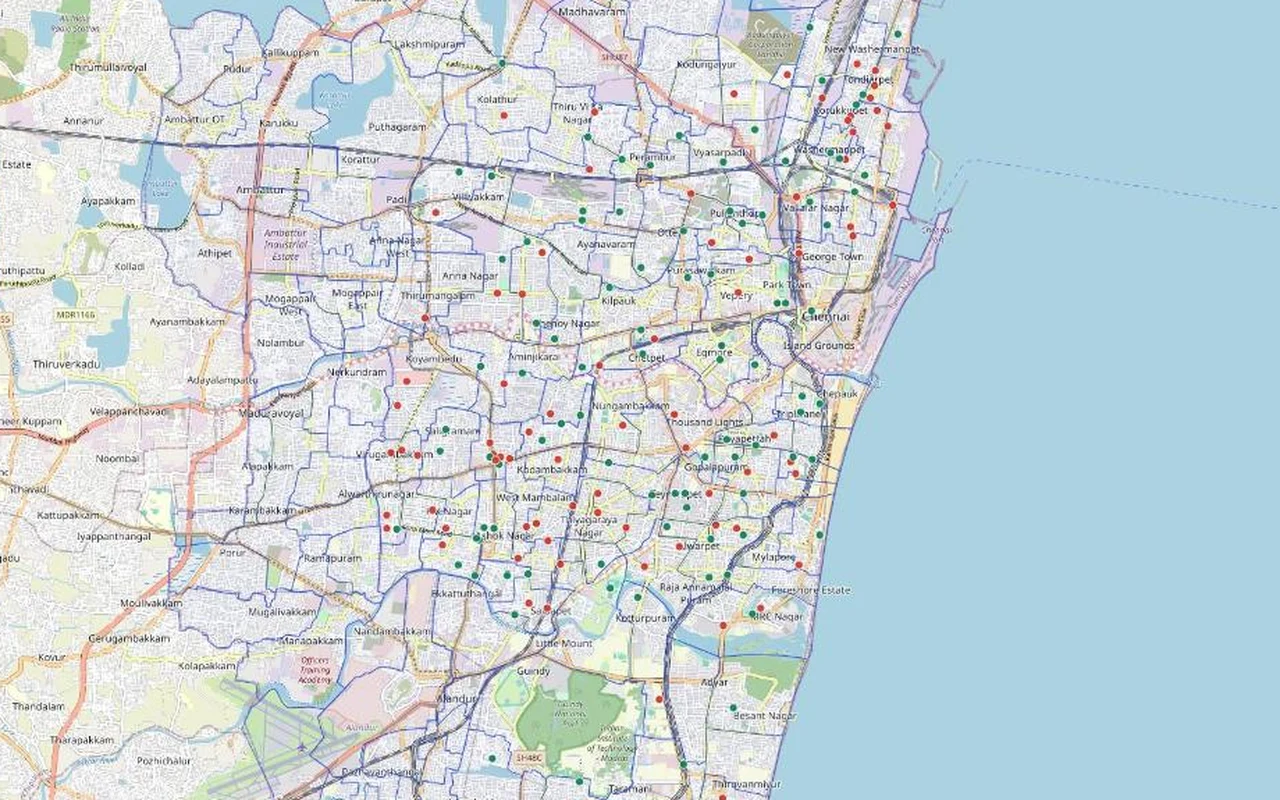 Article
GIS techniques for urban vulnerability mapping
How India's urban health mission asks cities to find their most vulnerable people, step by step, and how GIS can support the geographic parts of that work, shown on maps of Chennai.
Read article → Article
My comments on WHO's draft guidance for health DPI
In 2026, WHO invited public comments on a draft reference architecture for digital public infrastructure in health. I submitted eight comments through the open consultation. Here is what the draft sets out to do, and what I suggested.
Read article →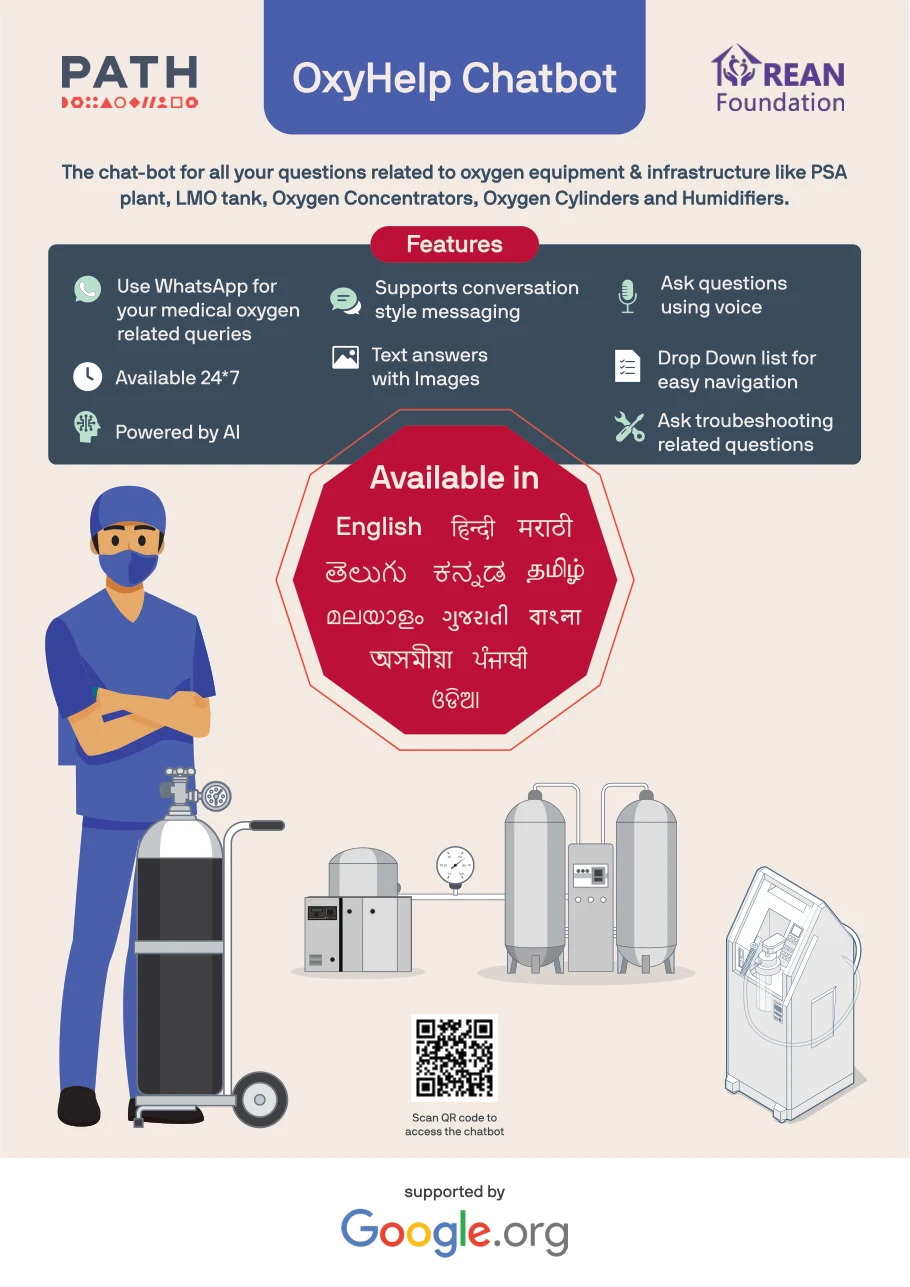 Selected work
OxyHelp chatbot, an early attempt at small AI
In 2022, we built an intent-based, multilingual AI chatbot on WhatsApp to help technicians find guidance on hospital oxygen systems. It supported 12 languages and reached more than 500 engineers, technicians and operators.
Read more →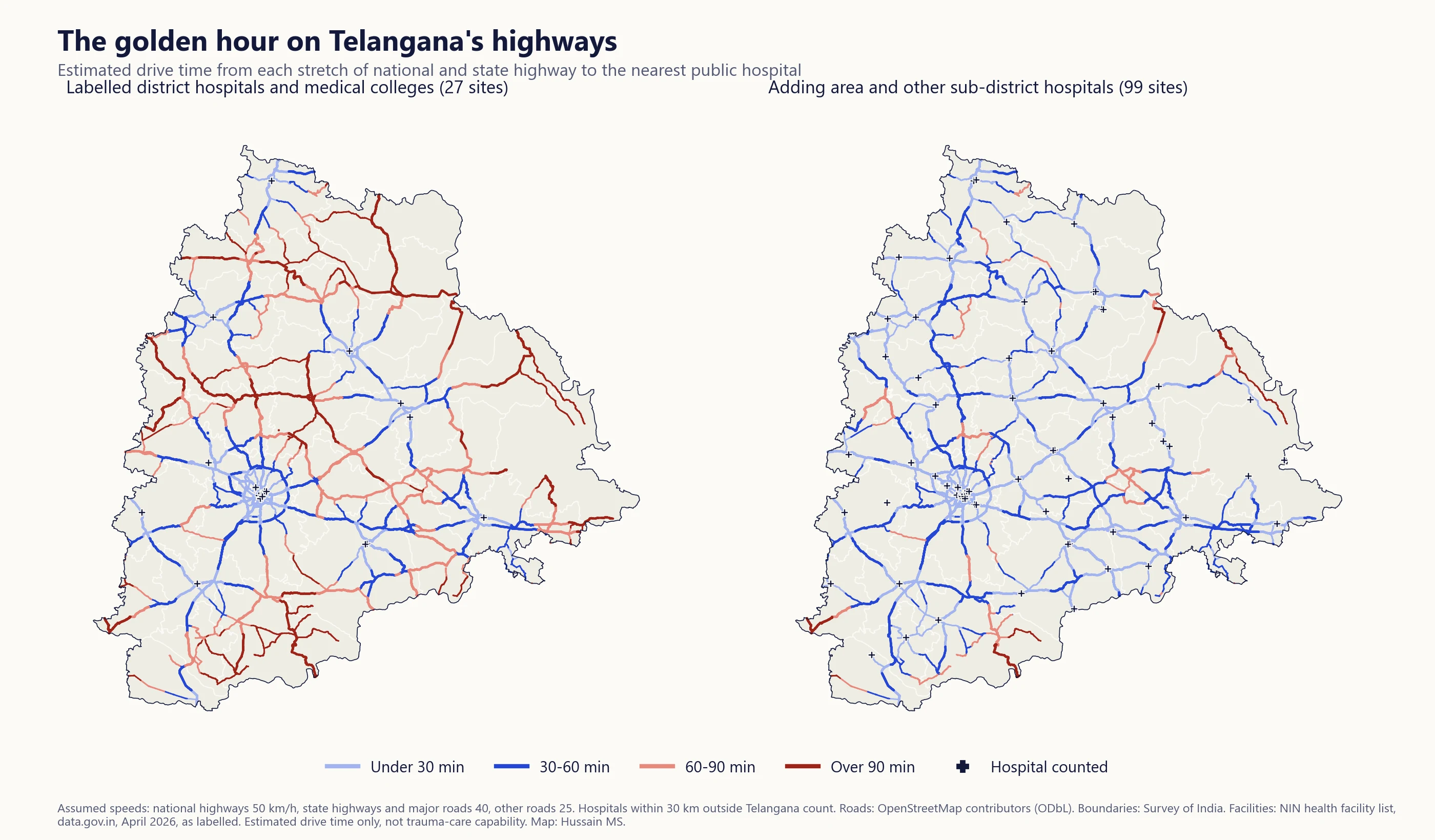 Article
The golden hour on Telangana's roads
An exploratory exercise that estimates drive times from Telangana's highways to listed public hospitals, using open data. It shows how much the answer depends on which hospitals are counted, not how well injured people are actually served.
Read article → Article
Mapping AI to WHO's classification of digital health interventions
WHO's classification of digital interventions, services and applications in health describes what digital technology does in a health system. This piece goes through each of its categories and notes where AI could play a part, and where it largely does not.
Read article →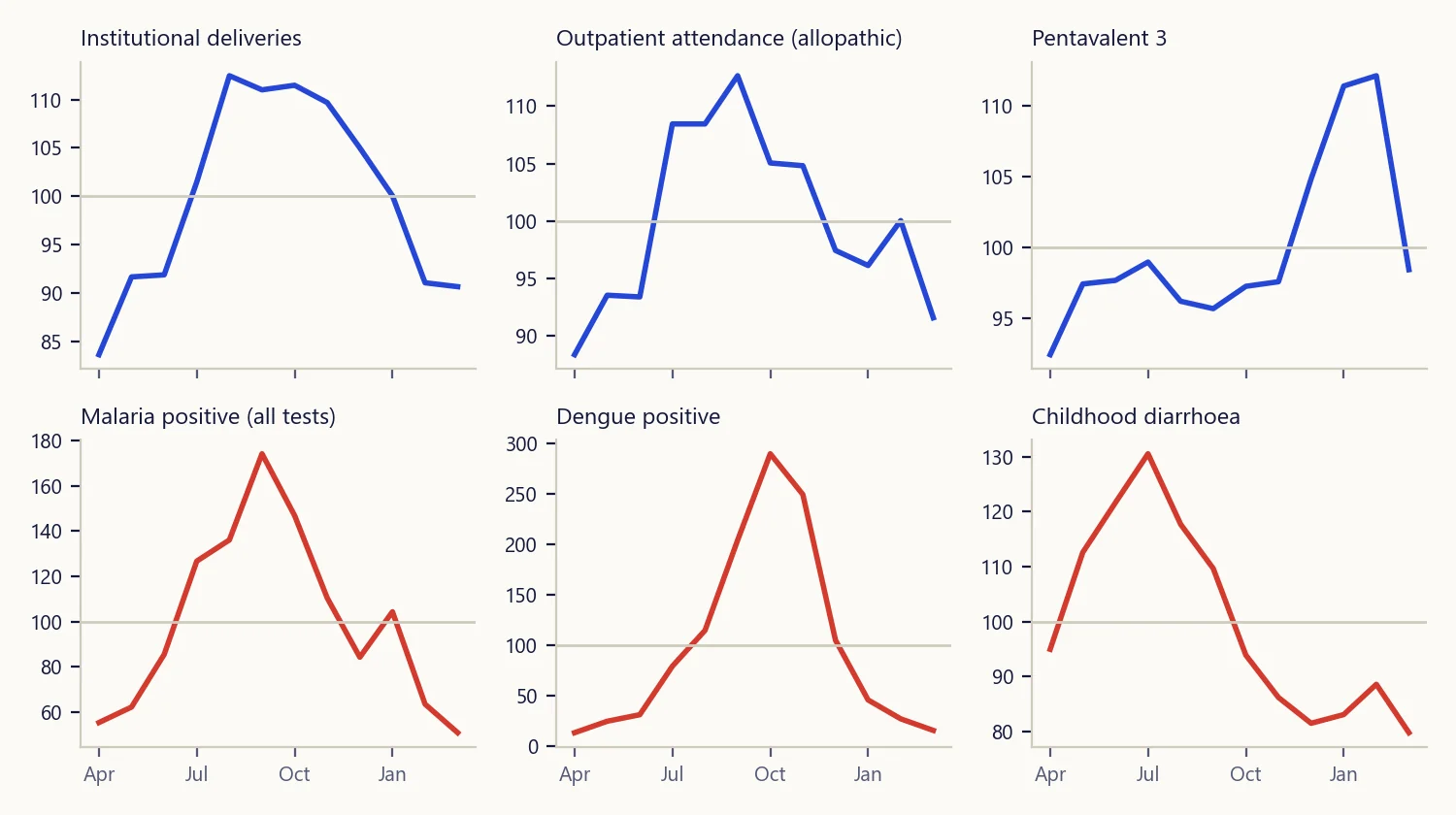 Article
Analysing a year of India's HMIS, one of the largest open public health datasets
I assembled a full year of India's Health Management Information System from 8,447 files that are publicly accessible on the official HMIS portal. Here is what it shows about reported health services, about the data itself, and where digital tools could help.
Read article →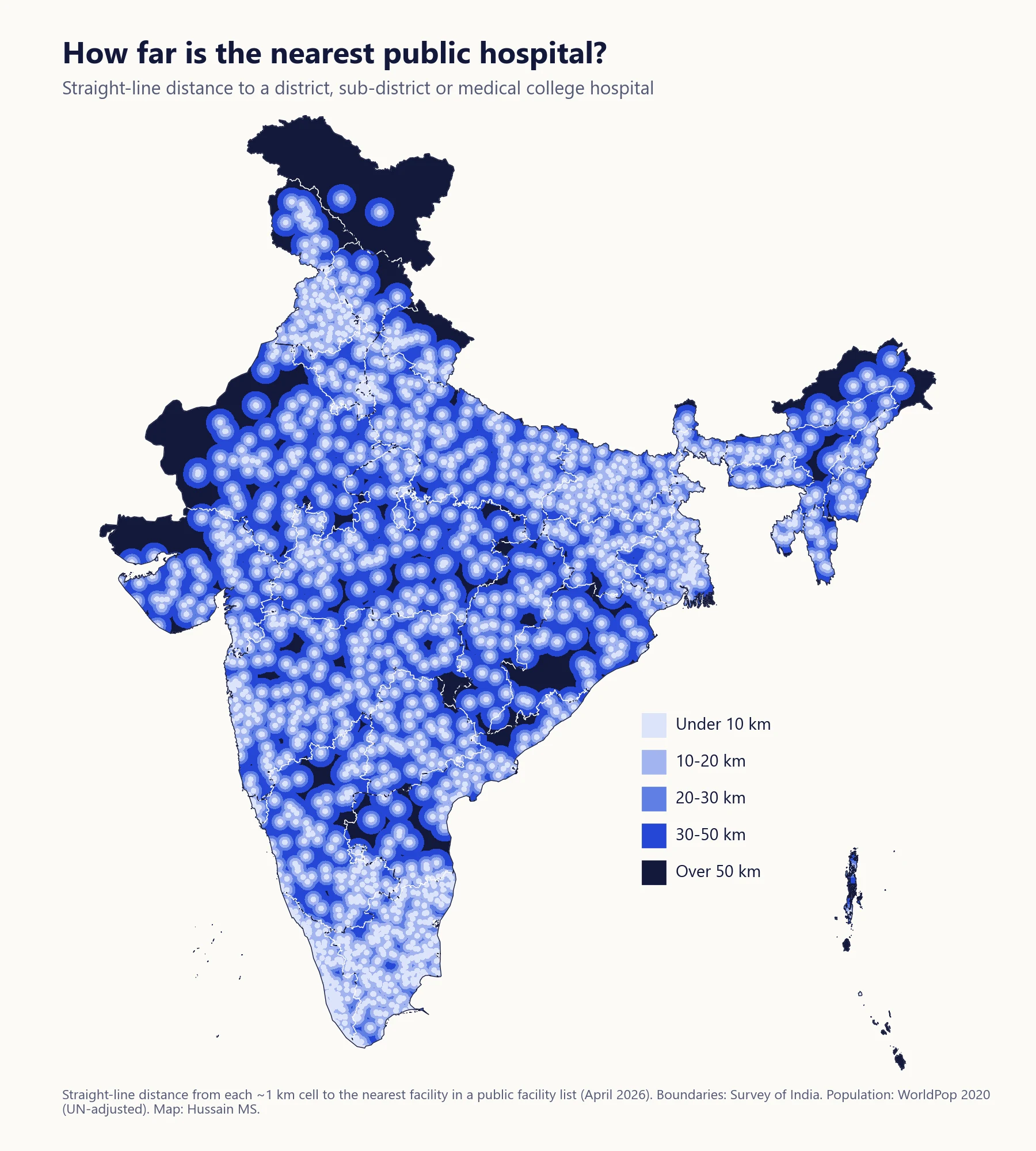 Article
How far do people live from a public hospital? A mapping exercise for India
A mapping exercise with public data. Most people in India live within 5 km in a straight line of some public health facility. For hospitals, the answer depends a great deal on which facilities are counted.
Read article → Article
Some ideas on product design for public health
A product that helps a health system monitor itself is a design discipline of its own. It starts with many users and their decisions, respects the way work is already done, and is never finished.
Read article →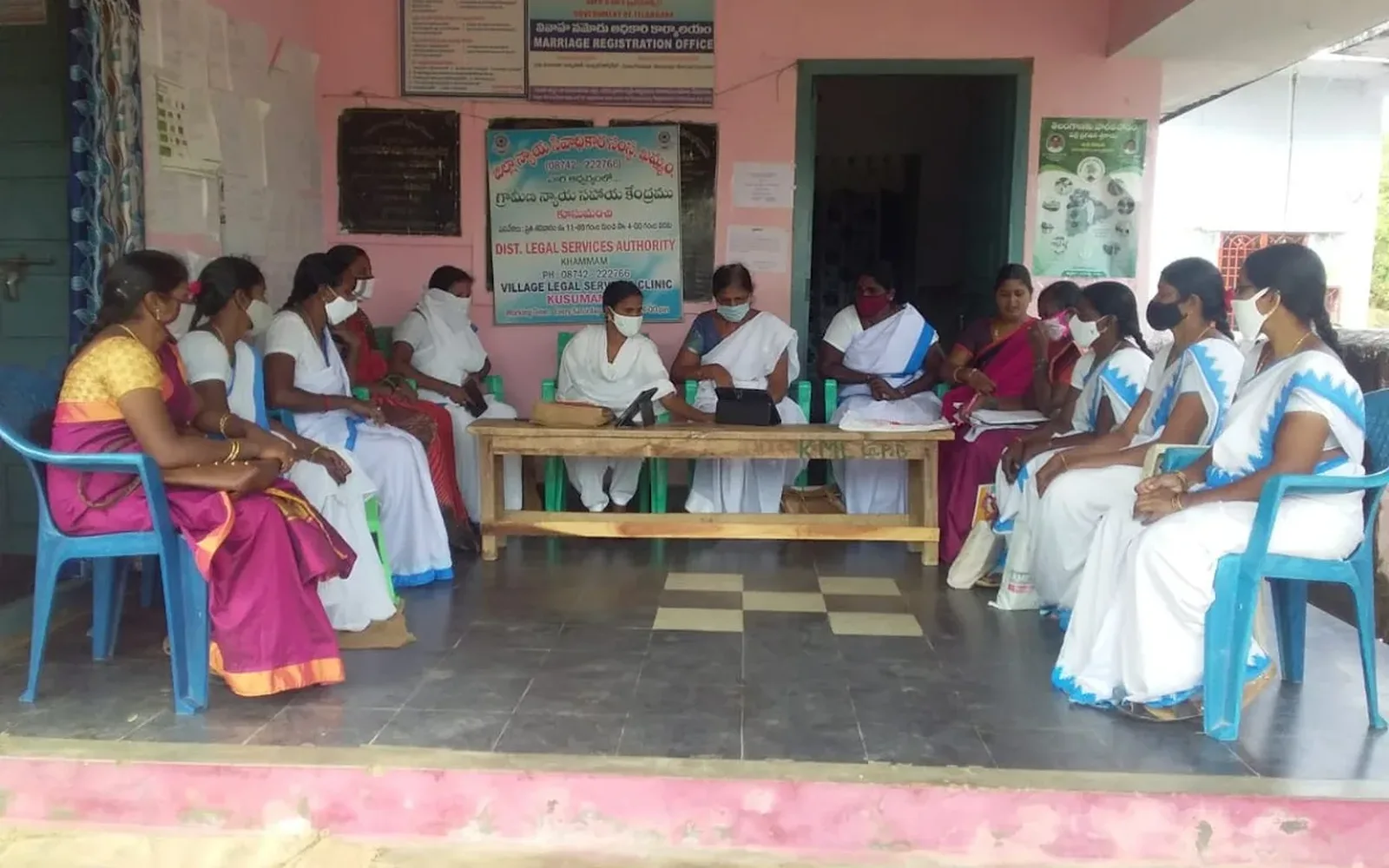 Article
A day in 2050, built on DPI
Science fiction has a habit of giving people ideas. Here is my daydream of what health care could feel like in 2050, told as one ordinary day, and the real places where pieces of it already exist today.
Read article →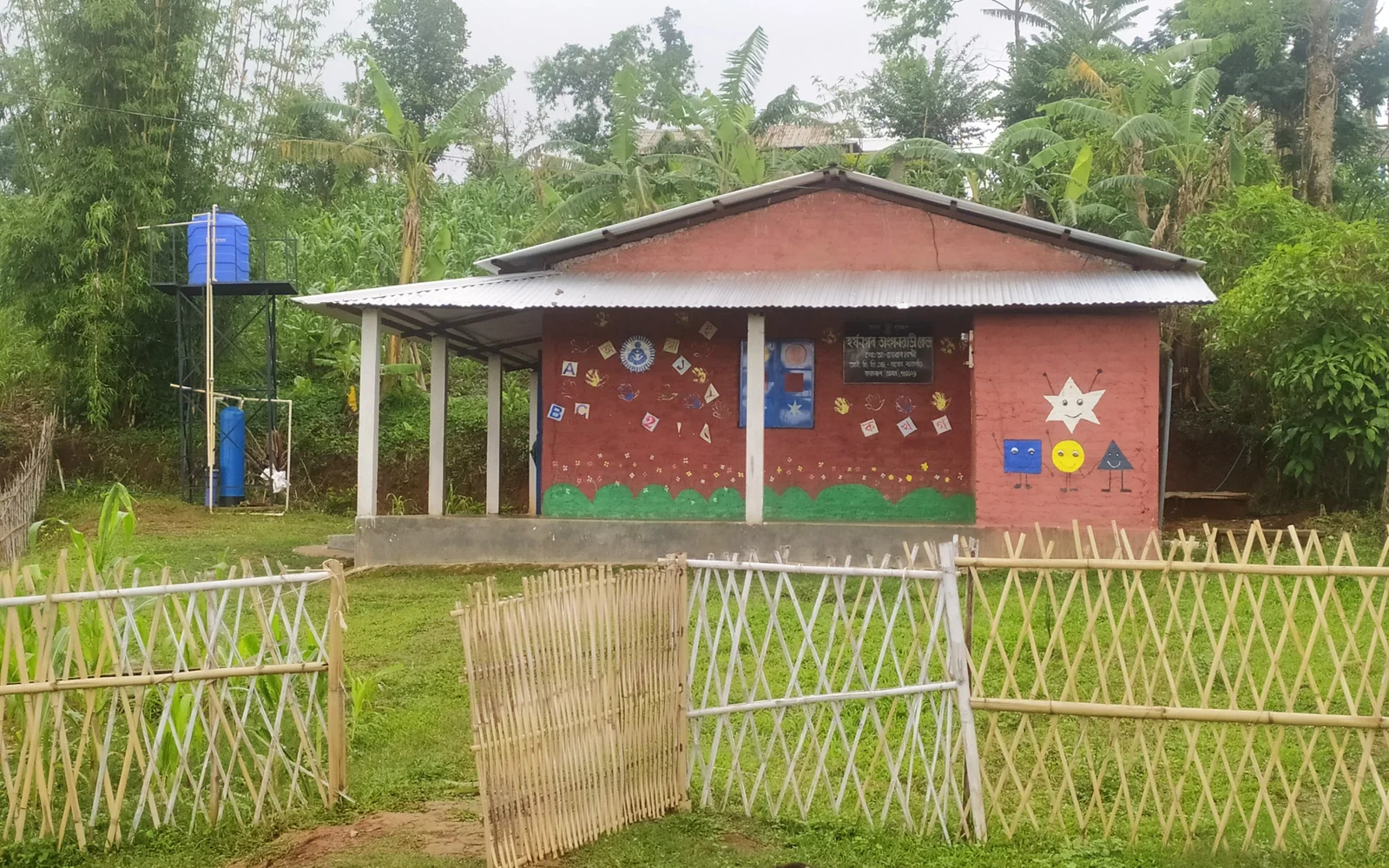 Article
What keeps a good idea alive in a public health system?
A successful pilot is a milestone, not proof. An observation on what helps an innovation last in a public system, and what 2025 brought into focus.
Read article →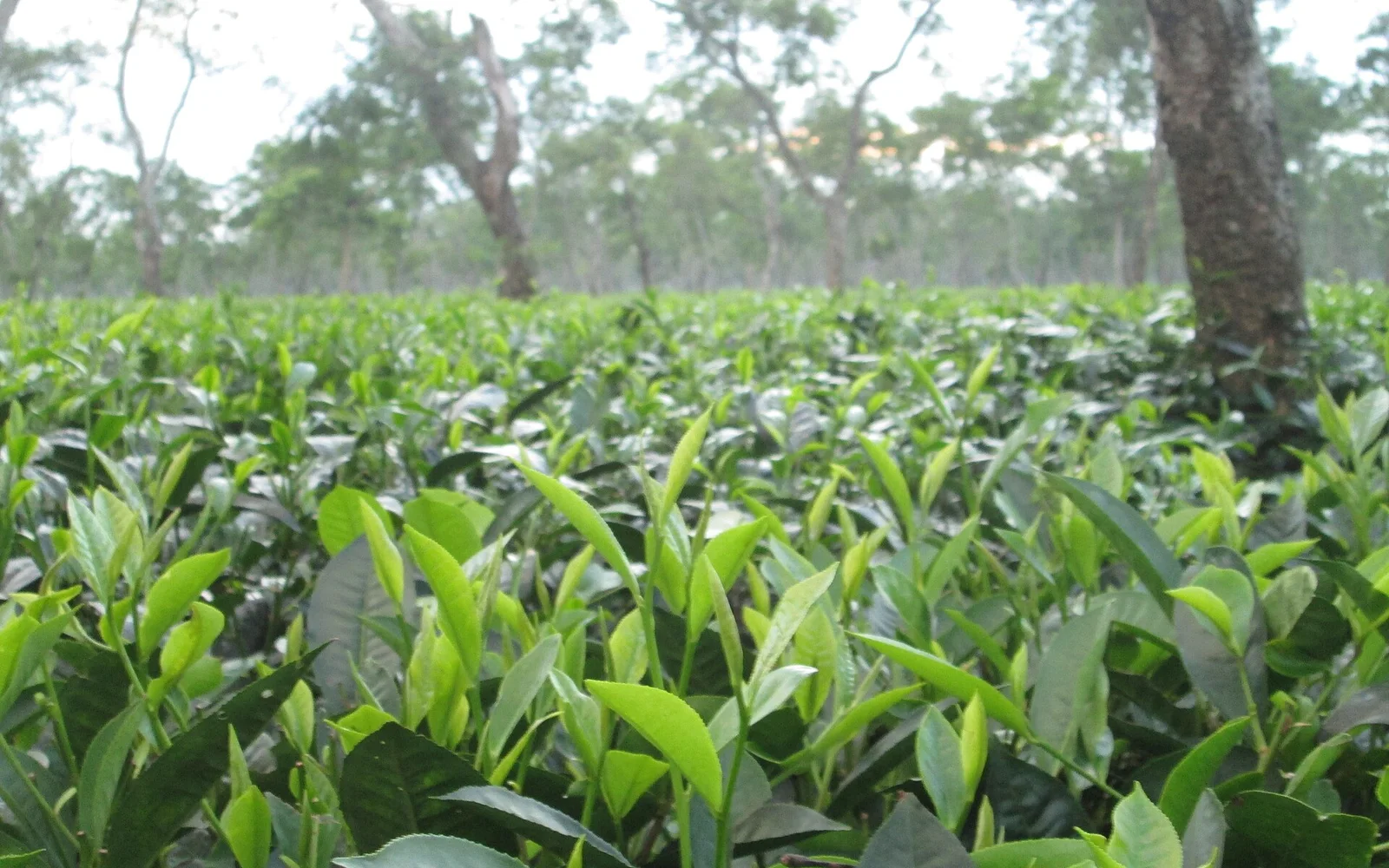 Article
The women behind Assam's tea
Assam grows some of the world's finest tea, and the state faced some of the highest maternal risk in the country (2021). This piece covers the land, its history and the evidence, and the small part our project played in improving maternal health in the area.
Read article →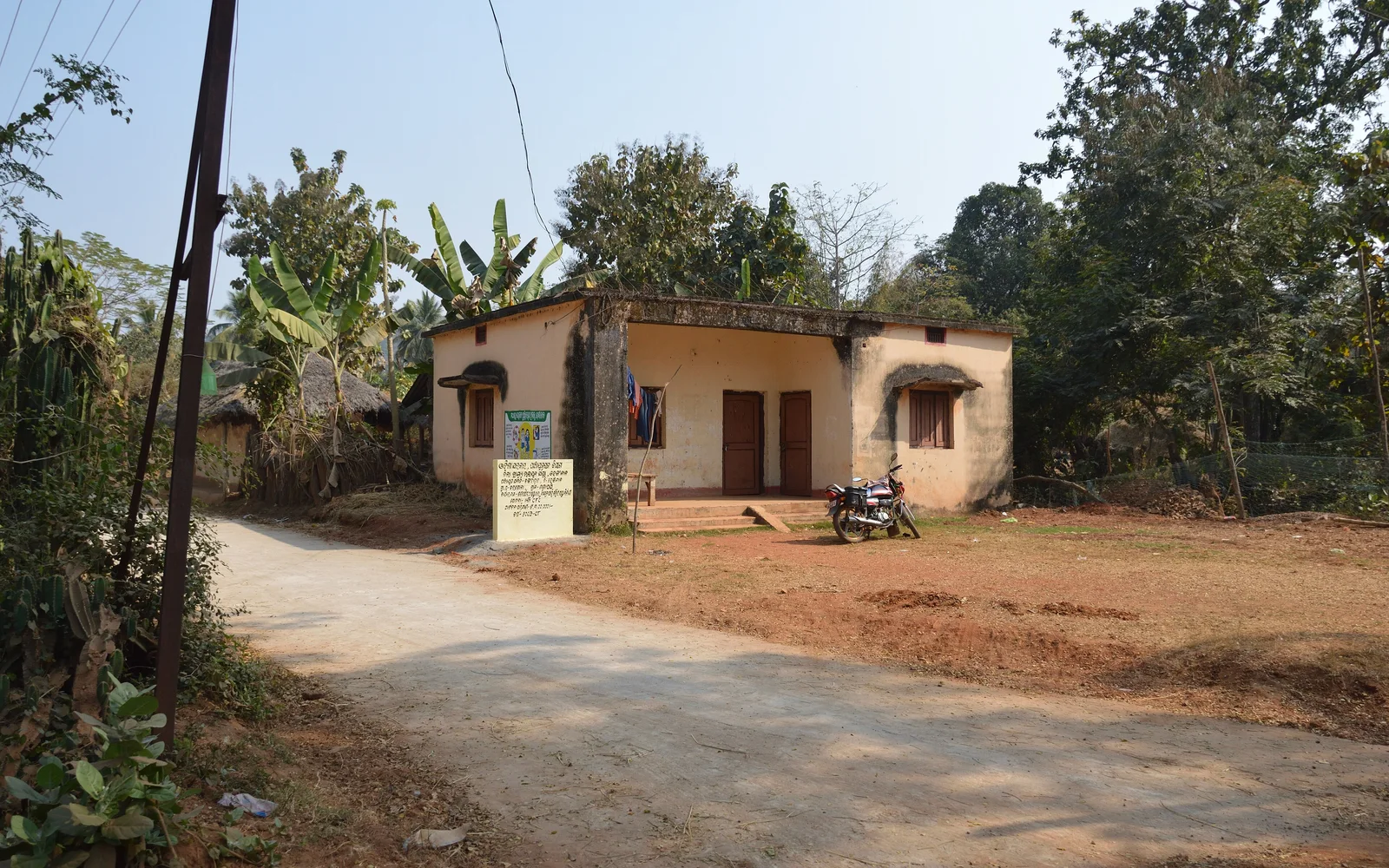 Article
Will it work here? The practical side of health technology
A promising medical device or digital tool can still struggle in a public health system for very ordinary reasons, such as heat, power, phones, spare parts or a crowded clinic. Practical lessons from advising innovators under USAID's Saksham project.
Read article → Article
No interoperability without getting your hands dirty
Interoperability is often asked for as if it were a feature. Underneath it are shared identifiers, definitions and ownership, and the ideas behind relational databases. People working in digital health benefit from understanding that logic.
Read article → Article
Technical advisory groups, from WHO's model to an effort in India
WHO's technical advisory groups bring experienced people from many countries together to advise on global health. An appreciation of the mechanism, and an account of supporting an effort to build a similar group for maternal and child health in India.
Read article → Selected work
Digital alone does not transform
A national portal could already record high-risk pregnancies, but few were being reported. Better data came from changing the work around the portal, and that kind of change is a continuous process.
Read more →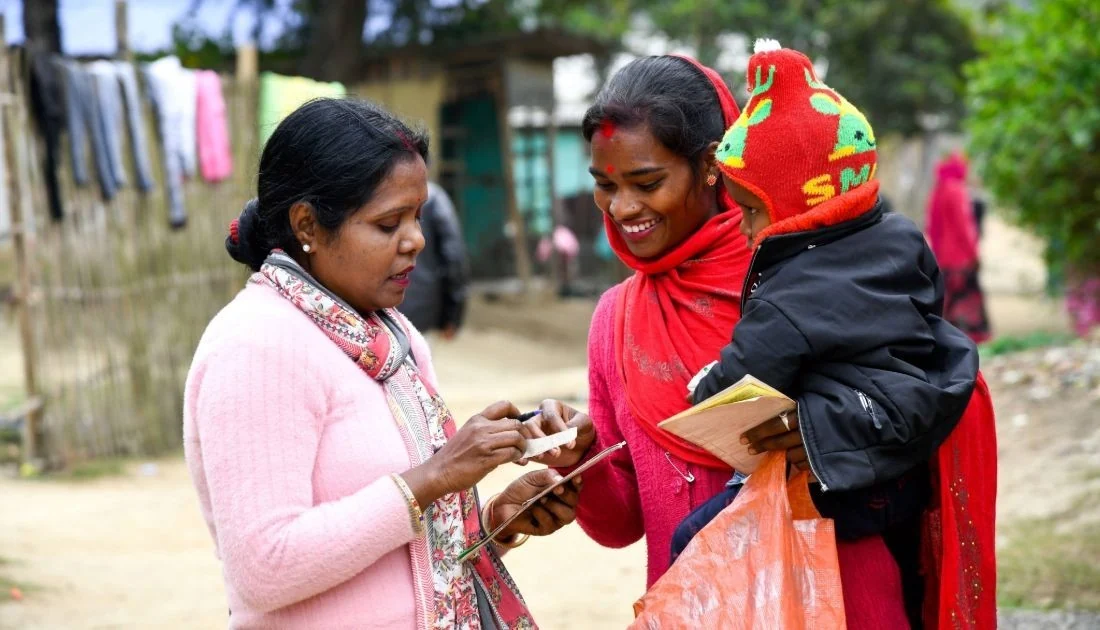 Article
Digital health networks and the case for open source
Software developers rarely start from scratch, because open source lets them build on what others have made. Development and public health can learn from that habit, and networks of people are one way to make it happen.
Read article →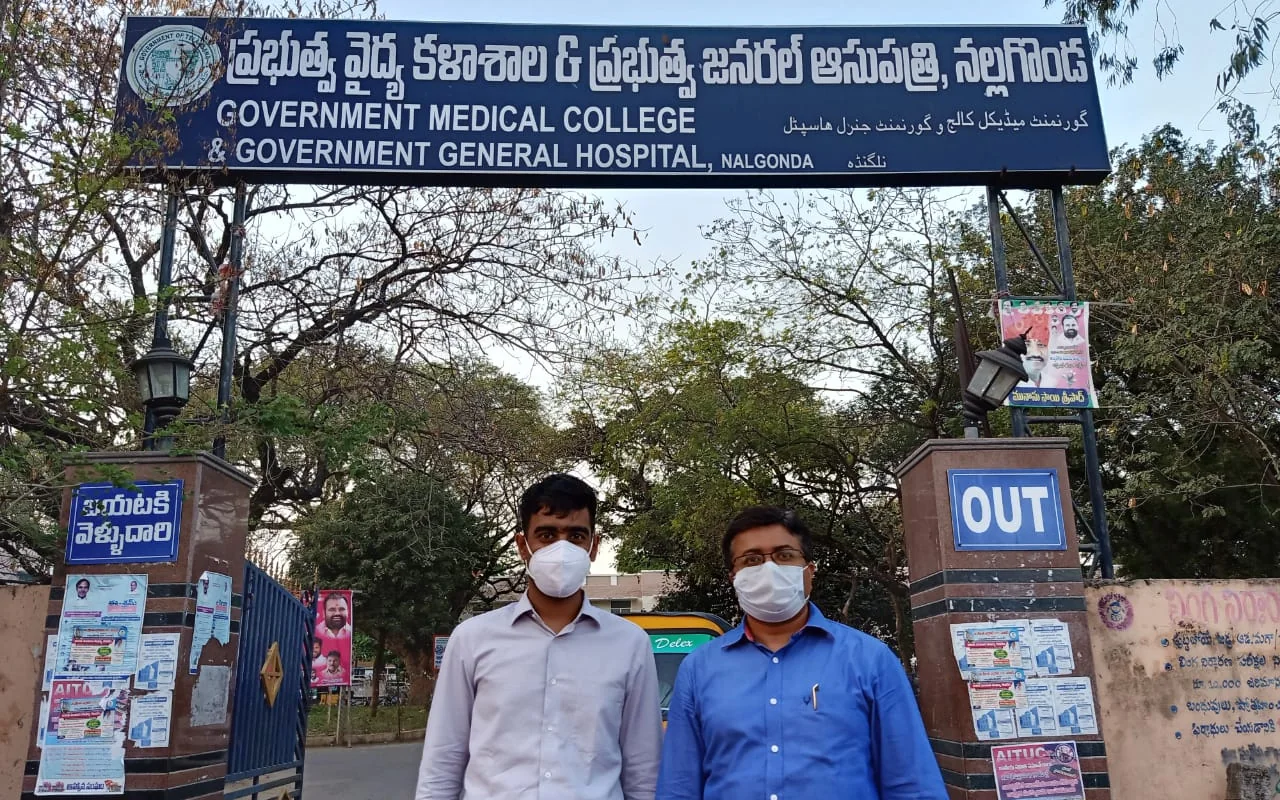 Selected work
Running medical oxygen in hospitals after COVID-19
By the time I joined the workforce, the emergency had passed and a quieter question remained. How do you run, maintain and use all the new oxygen plants and equipment?
Read more →