Key points
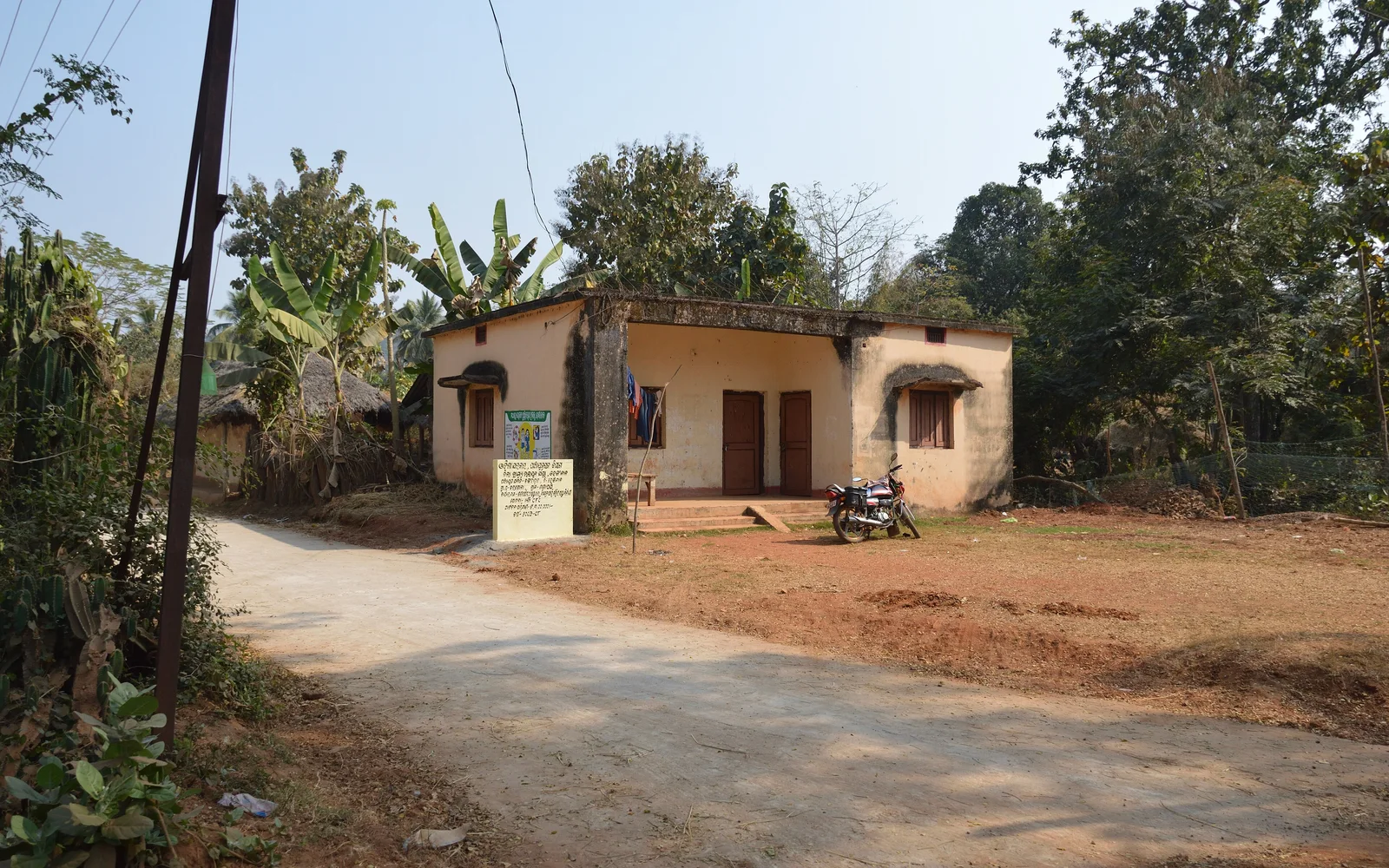
- Health technologies developed or tested in one setting may meet very different conditions in a primary health centre in a hot, humid or resource-constrained district.
- Temperature, humidity, power, connectivity, spare parts, service networks, language, caseload and procurement rules can be as important to successful use as clinical performance.
- Finding a promising innovation is different from establishing that it is ready for a particular health system. Formal assessment and regulatory approval are separate steps.
Under USAID’s Saksham project, through the wider Aavishkar initiative, innovators from India and abroad often came to our team for advice. They included start-ups, researchers and established companies working on devices and digital tools for maternal, newborn and child health. Some conversations were first introductions. Others came after we or they had done some research, and many fell somewhere in between. Our role was to advise. Some of the most promising innovations were brought together in the Saksham Aavishkar Compendium, which I managed.
This kind of programme scouting is not the same as a formal health technology assessment, and it does not replace regulatory approval. In India, formal assessment of health technologies is carried out through Health Technology Assessment in India (HTAIn) under the Department of Health Research, and medical devices, including software with a medical purpose, are regulated by the Central Drugs Standard Control Organisation (CDSCO). Finding a promising innovation for further consideration is different from establishing that it is ready for deployment in a particular health system, which needs a closer look at clinical evidence, operating conditions, infrastructure and the support needed to keep it working.
What struck me in these conversations was how often a promising product raised a very ordinary question. Not a question about the science, but about the gap between the conditions it was designed for and the conditions it might actually meet.
A jacket for newborn jaundice
One example has stayed with me.
Newborn jaundice is common, and severe cases need phototherapy, which means exposing the baby’s skin to a particular kind of light. In many facilities, conventional phototherapy needs dedicated equipment, suitable space and a reliable power supply. So we were interested to see a wearable phototherapy device that wrapped the baby in a soft, light-emitting jacket. The design had an appealing potential advantage. It let mothers hold their babies close during treatment, which could help them continue kangaroo mother care, and it could in principle bring phototherapy closer to where families are.
Then we read the specifications. The device was listed with a maximum operating temperature well below the summer temperatures of many districts where it might be useful, and reliable climate control is not available in every facility. That raised an implementation question. Could it be used within its specified operating conditions in the places that needed it? Answering that would mean understanding the conditions under which the device could work safely and reliably, including any controls or adjustments the manufacturer specifies.
The operating temperature was one important question among several. Whether the device suited those settings would also depend on its clinical performance, safety, workflow and service requirements.
The factors that decide
That example is not unusual. Health technologies developed or tested in one setting may meet very different environmental, infrastructure and workflow conditions in a primary health centre in a hot, humid or resource-constrained district. Over time I came to think of the practical factors in a few groups.
The environment
| Factor | Why it matters |
|---|---|
| Temperature | Devices, batteries, reagents and test strips have operating and storage ranges. In some South Asian settings, seasonal temperatures can exceed the ranges specified for particular devices and consumables. |
| Humidity and monsoon | Excess moisture can damage poorly protected electronics and affect the stability of some consumables or the performance of certain sensors. |
| Dust | Fine dust can get into fans, optics and ports, especially in dry seasons and near construction. |
| Geography and transport | A device that must be carried between villages, over rough roads or by boat, needs to survive being carried. Floods can cut off supply routes. |
Infrastructure
| Factor | Why it matters |
|---|---|
| Power | A device that depends on uninterrupted mains power may be difficult to use consistently where outages are frequent and backup power is not available. |
| Internet | Connectivity in rural facilities can be patchy. Tools that depend on the cloud may need to work offline and sync later. |
| Phones | In some settings, frontline workers rely on lower-specification or shared Android phones, which makes compatibility, performance and data access important design considerations. |
People and work
| Factor | Why it matters |
|---|---|
| Language and literacy | Interfaces, instructions and alerts need to work in local languages and for users with varied literacy. |
| Caseload and time | A device that takes ten minutes per patient is a different proposition in a high-volume clinic. |
| Workflow and training | Who will use it, at which visit, and what happens to the result? A tool that adds steps without a clear benefit to the workflow may see lower uptake. |
| Acceptability | Acceptability can depend on a device’s design, the circumstances of use, patient preferences and cultural context. |
The long tail
| Factor | Why it matters |
|---|---|
| Consumables and spare parts | Strips, probes, cartridges and batteries need to be available, affordable and procurable year after year. |
| Service and maintenance | Who repairs it, and how far away are they? Access to biomedical engineering support can be more limited outside major cities. |
| Cleaning and infection control | Can it be cleaned with what the facility has, between every patient? |
| Disposal | Batteries, electronics and single-use components eventually need safe disposal. |
The system
| Factor | Why it matters |
|---|---|
| Affordability and procurement | Public procurement has its own rules, cycles and price expectations. A product’s price and service model may not match public procurement requirements or budgets. |
| Regulatory approval | Medical devices, including software with a medical purpose, may need approval from CDSCO for their intended use. |
| Data integration | If a device produces data, can it reach the government’s own systems, or does it create one more silo? |
Why this matters for AI too
None of this disappears when the technology uses artificial intelligence. An AI model still runs on a device, in a facility, in someone’s hands. It still needs power, a phone that can run it and a network to update it. It still has to fit into a busy clinic and produce something a health worker can act on. AI adds its own questions about evidence and validation. But even a well-validated model may see limited use if the devices it runs on cannot work reliably in local conditions.
A different kind of question
The lesson I took from these conversations is that a useful question to ask about a health technology is often not only “how good is it?” but also “will it work here?” That question is not hostile to innovation. It helps tell a promising concept apart from a solution that can work safely, reliably and sustainably in the places it is meant to serve.
The answer is rarely a simple yes or no. Sometimes a product needs a small redesign, such as a wider temperature range, an offline mode or a cheaper consumable. Sometimes it fits one level of care but not another. Sometimes the right answer is to wait. Asking these questions early gives good ideas their best chance of lasting.
These factors are not unique to India. Many settings in South and South-East Asia and sub-Saharan Africa share similar heat, humidity, power cuts and busy clinics. Designing for these conditions can widen where a technology might be useful, although its suitability still needs to be checked against local clinical, operational, regulatory and financing requirements.
Views are my own.